a new documentary film:
Ladis and the Land
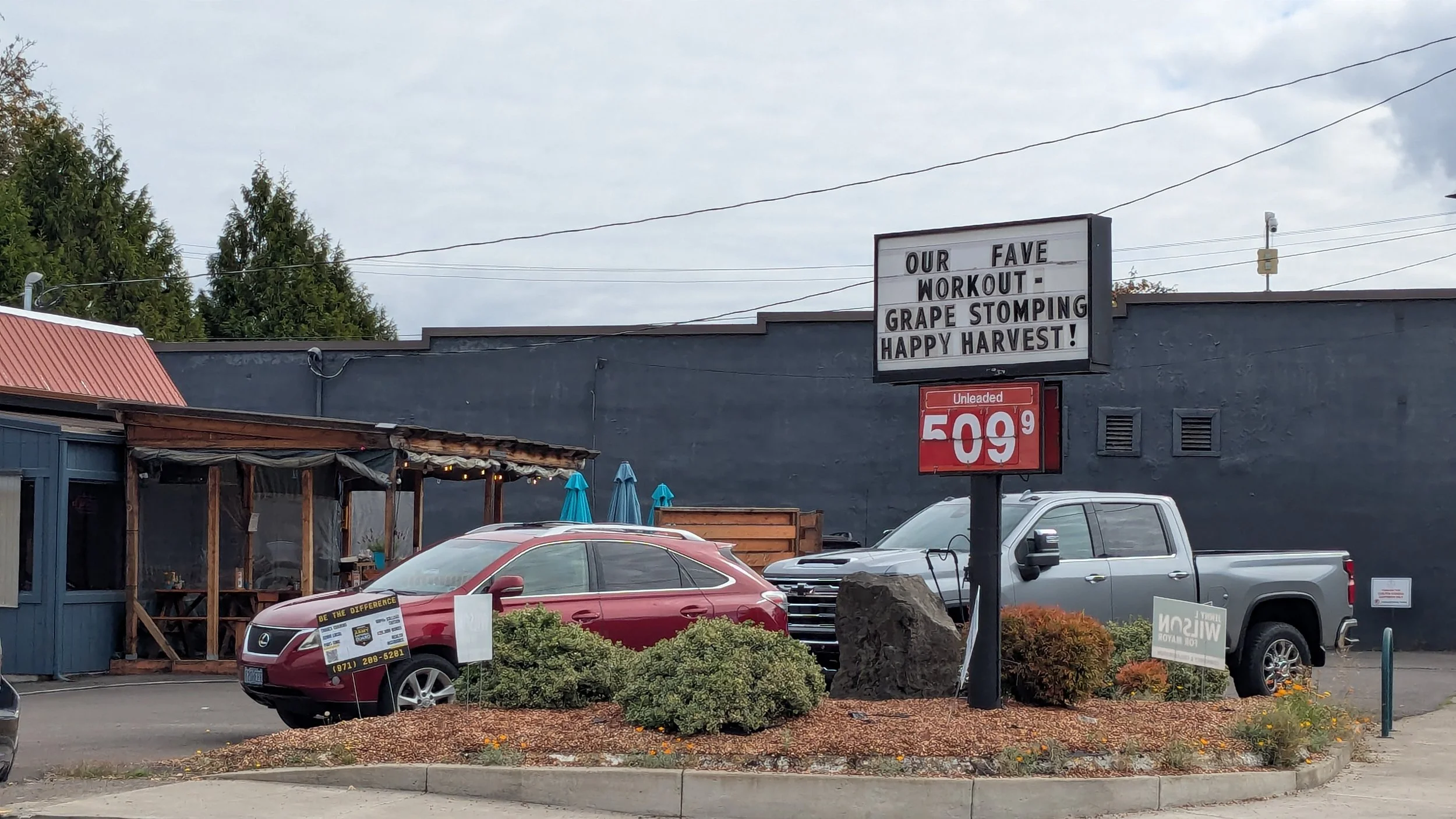
When two-time Pulitzer Prize-winning journalist Nicholas Kristof began spending more time on his family’s farm, he found a Yamhill struggling with economic decline. After a career reporting on problems around the world, "Ladis and The Land" shares the experience of Kristof wanting to do something about an issue close to home.
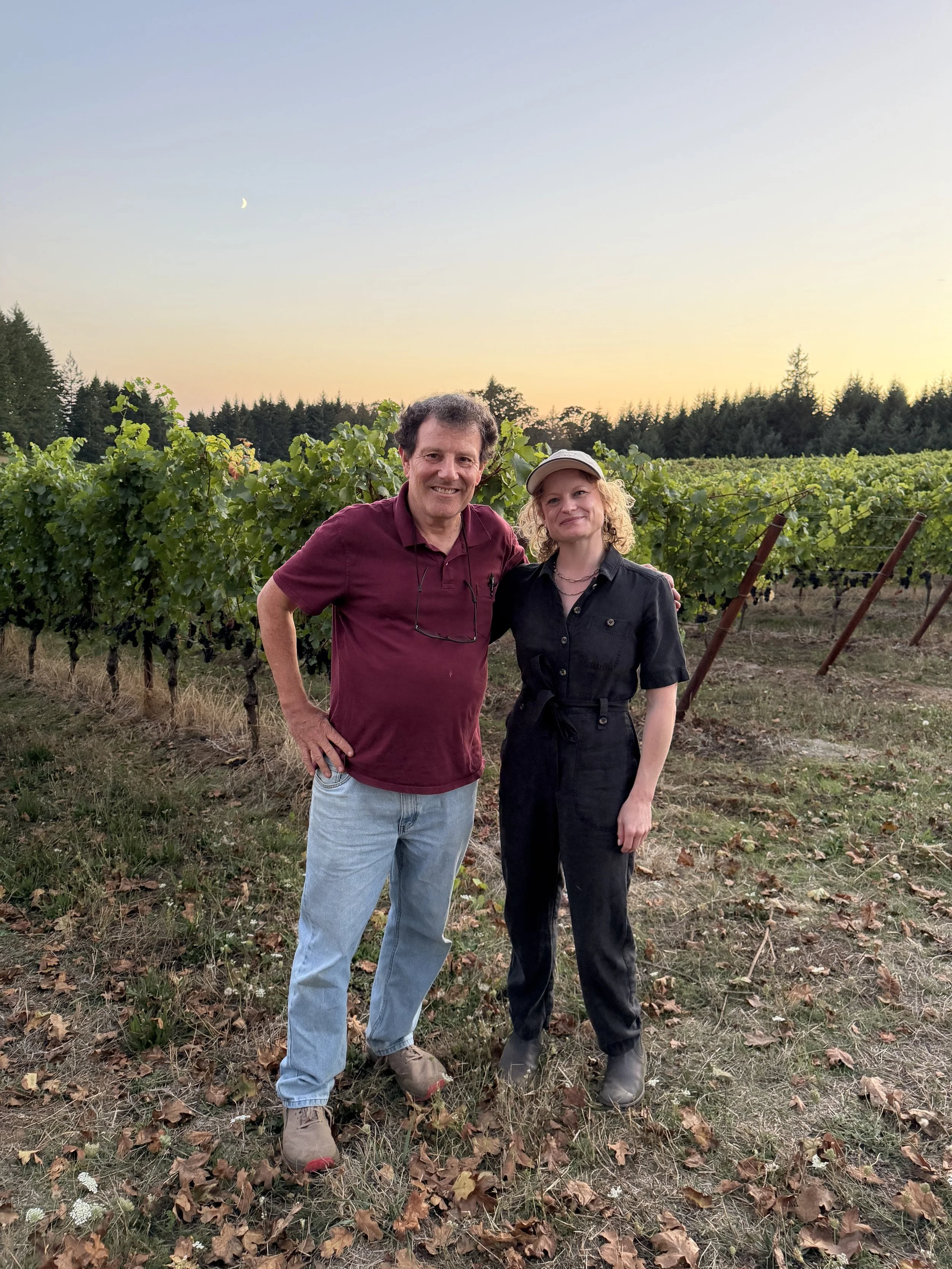
Hoping to contribute to the town’s future, he replaced his father Ladis’ cherry orchard with a vineyard. This film asks questions about what we owe the places we inherit, and whether caring for one small corner of the world can make a difference.
Every generation inherits a world it didn't create.
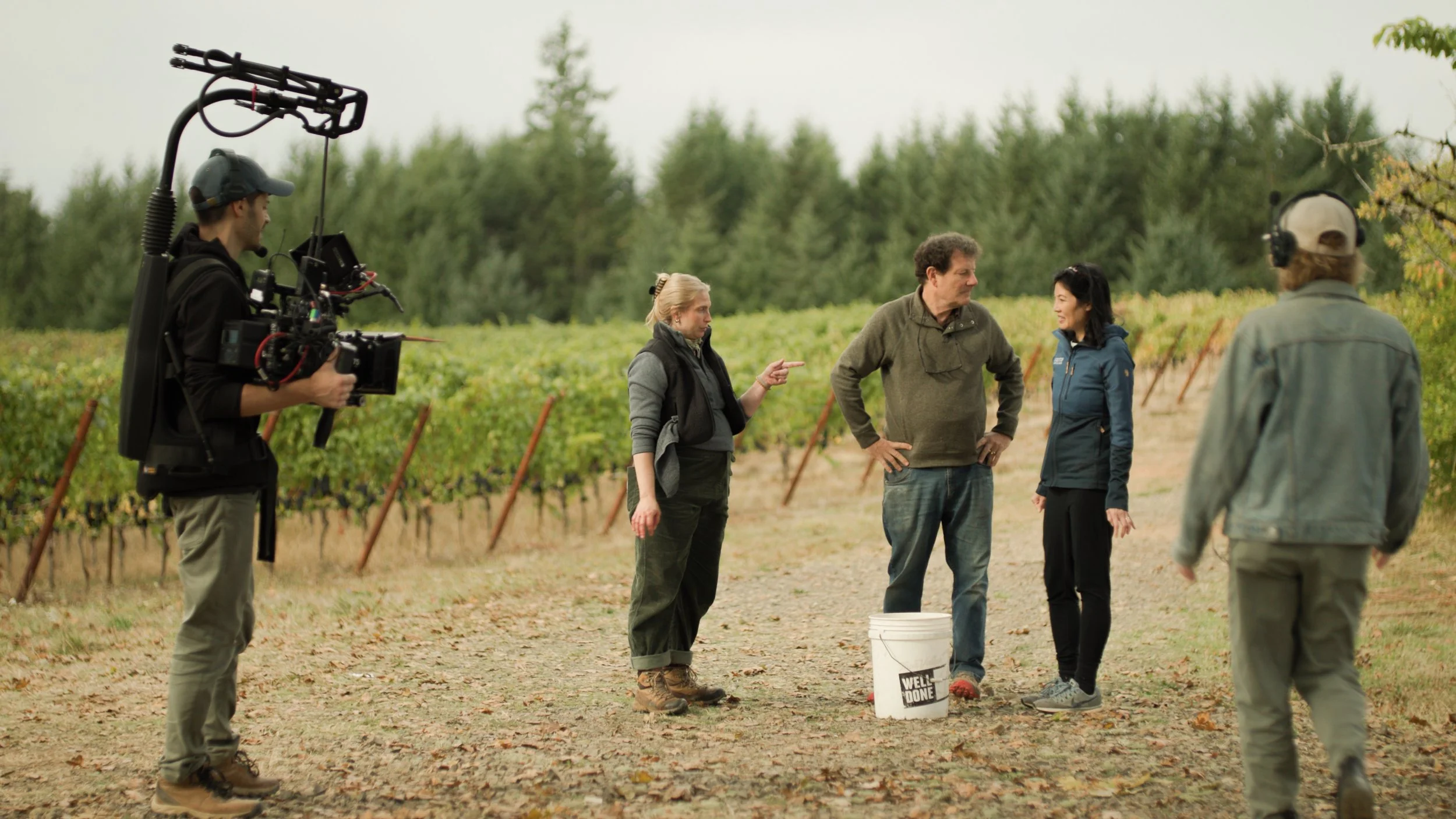
After decades of reporting internationally on the world’s most pressing legacy problems, Pulitzer Prizewinning journalist Nicholas Kristof returned to the Oregon farm of his father Ladis, a WWII refugee, hoping to help revitalize the rural community that raised him. This short documentary portrays Kristof’s farm and surrounding Yamhill County.
Our film asks, “What do we do with the world we've been given?"
Make It Possible
This film will be realized through generous support of like minded donors.
Please consider making a tax deductible contribution to help bring it to life.
All donations to “Ladis and the Land” are 100% tax deductible, thanks to our fiscal sponsor Grateful Film Fund, a 501(c)(3) nonprofit organization (FEIN 92-0785739).
The Story
While researching their book Tightrope, Kristof and his wife and longtime collaborator Sheryl WuDunn began thinking differently about his hometown. They saw
neighboring Carlton transform through the growth of the wine industry and wondered whether wine could help create opportunity in Yamhill as well. To pursue that vision, they made a surprising decision: they cut down his father's cherry orchard and
planted a vineyard. That choice becomes the doorway into a much larger story
Through archival photographs, family documents, maps, and historical imagery, the film travels back to the life of Kristof's father, Ladis Kristof. An ethnic Armenian from Eastern Europe, Ladis was drafted into the Romanian Army, imprisoned during the war, displaced by political upheaval, and ultimately forced to flee Europe. Ladis lost not only his homeland but also his family's landAfter years of uncertainty, he rebuilt his life in Oregon, becoming a professor, a farmer, and eventually the steward of a new piece of land half a world away.As the story unfolds, the farm becomes more than a backdrop. It becomes a symbol of inheritance. For Ladis, land may have represented security after loss. For Nick and Sheryl, it became a question: what responsibility comes with inheriting a place?.Returning to the present, Kristof reflects on the decision to transform the orchard. The
film explores the tension between preservation and adaptation. Was removing
the cherry orchard a rejection of the past, or an effort to carry it forward? The question quietly echoes Anton Chekhov's The Cherry Orchard, where changing the land becomes a source of both loss and possibility.The film does not attempt to answer whether the vineyard has succeeded
in helping Yamhill. Instead, it observes. We see visitors arriving. Workers tending vines. Daily life unfolding in Yamhill and nearby Carlton. The audience is invited to
consider the question for themselves.In the final moments, Kristof looks toward the future: his children, the community, and
the generations that will inherit the consequences of today's decisions. The
vineyard becomes less a story about wine than a story about stewardship.Let’s Stay in Touch
Stay informed about the film’s progress, fundraising events, screenings, and more